


-

Add: HeBei ShengShi HongBang Cellulose Technology CO.,LTD.
-

Email
13180486930@163.com -

CONTACT US
+86 13180486930


Hydroxypropyl Methylcellulose (HPMC) E5 is a versatile and essential ingredient in various industries, prized for its unique properties that enhance product formulation. As a low viscosity grade of HPMC, E5 offers a distinct set of characteristics highly valued by manufacturers. This article delves into the crucial attributes of HPMC E5, leveraging insights from industry experts and real-world applications to offer a comprehensive understanding of its benefits and usage. One of the standout features of HPMC E5 is its film-forming ability. This property is integral in the pharmaceutical industry, where HPMC E5 is commonly used as a coating agent for tablets. Its ability to form a uniform, adherent, and stable film ensures the protection of active ingredients, enhances shelf life, and improves the aesthetic appeal of tablets. The expertise of formulation scientists highlights that the use of HPMC E5 in coatings improves the swallowability and taste masking of oral dosage forms, making it a preferred choice among pharmaceutical developers. In the realm of construction, HPMC E5 serves as an essential additive in cement-based materials. Its water retention capability prevents premature drying and assures optimal curing, leading to increased strength and durability of the final product. Construction professionals underline that the inclusion of HPMC E5 in mortar formulations results in enhanced workability and open time. This facilitates easier application and adjustment of tiles or other construction components, minimizing waste and improving finish quality. The adhesive industry also benefits from the unique properties of HPMC E5 . The compound's thickening and rheology modification abilities enable the production of adhesives with superior stability and consistency. As experts in adhesive chemistry attest, HPMC E5 improves the bonding capacity and mechanical strength of adhesives, providing reliable performance across different substrates and environmental conditions. This versatility makes it an indispensable ingredient in formulating both household and industrial adhesives. hpmc e5 properties Personal care products, such as shampoos and creams, often incorporate HPMC E5 due to its excellent emulsification and stabilization properties. Cosmetologists and personal care formulators value HPMC E5 for its ability to maintain the integrity and homogeneity of creams and lotions. Its non-ionic nature ensures compatibility with various active ingredients, allowing for innovative formulations that cater to diverse consumer needs. Furthermore, HPMC E5’s gentle nature and lack of irritancy make it suitable for sensitive skin products, thus broadening its applicability in the cosmetics industry. From an expert perspective, the adaptability of HPMC E5 across different formulations and industries underscores its significance. Its non-ionic and cellulose-based nature ensures environmental compatibility and safe usage, aligning with the growing consumer demand for sustainable and eco-friendly products. Manufacturers leveraging HPMC E5 can assure their clientele of high-quality, reliable, and effective products, bolstering trust and authority in their respective markets. Trustworthiness in utilizing HPMC E5 is reinforced by thorough testing and compliance with regulatory standards, which are critical for product safety and efficacy. Collaboration with experienced formulation scientists and adherence to stringent quality control measures guarantees that products incorporating HPMC E5 deliver consistent and dependable performance. In conclusion, HPMC E5 stands out due to its unique properties that serve a wide array of applications, ranging from pharmaceuticals and construction to adhesives and personal care products. Its esteemed position is further corroborated by industry expertise and practical experience, which collectively affirm its role as a high-value ingredient. By integrating HPMC E5, manufacturers not only optimize product performance but also ensure an authoritative and trusted presence in their sectors.
- 40000tons

Production
- 20+years

Experience
- 5000+㎡

Acreage

-
In the ever-evolving construction industry, materials that enhance performance, longevity, and efficiency are in high demand. Hydroxypropyl methylcellulose , a premium additive, has cemented its place as a key ingredient in the formulation of mortar, coatings, and wall putty. Its exceptional qualities impact everything from application ease to durability, making it indispensable for professionals who value precision and quality. Hydroxypropyl Methylcellulose: How it Affects Mortar and Coatings In construction projects, every detail matters, including the sequence in which additives like hydroxypropyl methylcellulose are introduced. The order of addition plays a crucial role in determining the consistency, workability, and performance of mortar and coatings. When hydroxypropyl methylcellulose is added directly to water before mixing with other components, it dissolves efficiently, forming a uniform solution. This step ensures that the additive can fully develop its water-retention properties, resulting in consistent viscosity and enhanced ease of application. Conversely, if added too late, its dispersion may become uneven, affecting the overall quality of the mixture. Builders who buy hydroxypropyl methylcellulose should follow precise mixing instructions to maximize its benefits. Correctly incorporating this additive into coatings improves spreadability and adhesion, ensuring a smooth application and long-lasting results. Enhancing Durability and Anti-Aging Properties with Hydroxypropyl Methylcellulose Durability is a fundamental requirement for building materials, and hydroxypropyl methylcellulose plays a pivotal role in achieving this. By enhancing water retention during the curing process, this additive prevents premature drying, reducing the risk of cracking and structural flaws. This controlled hydration significantly boosts the long-term performance of materials like mortar, coatings, and wall putty. In terms of anti-aging properties, hydroxypropyl methylcellulose acts as a shield, protecting materials from the damaging effects of environmental factors such as moisture, temperature changes, and UV radiation. Materials treated with hydroxypropyl methylcellulose exhibit improved elasticity, ensuring they can withstand daily wear and tear without losing integrity. When applied to wall putty, for example, this additive prevents shrinkage while maintaining a smooth, crack-free surface. Builders seeking enhanced durability and aesthetic appeal should consider sourcing this innovative material from a trusted hydroxypropylmethylcellulose supplier . Behavior of Hydroxypropyl Methylcellulose in Building Materials The adaptability of hydroxypropyl methylcellulose is one of its standout features, allowing it to blend seamlessly with diverse formulations. Its water-retention capabilities improve consistency, making it easier to achieve a flawless finish with minimal effort. Additionally, hydroxypropyl methylcellulose in wall putty significantly enhances bonding strength, ensuring that the applied surface remains intact and durable over time. Under wet conditions, hydroxypropyl methylcellulose provides remarkable stability. It prevents material degradation, supports long-term adhesion, and facilitates uniform drying. This makes it ideal for construction projects in humid environments or those subject to heavy rainfall. Furthermore, its compatibility with various raw materials makes it an essential choice for manufacturers looking to improve product quality across multiple applications. Trusted Hydroxypropylmethylcellulose Supplier for Reliable Performance The benefits of hydroxypropyl methylcellulose depend not only on its unique properties but also on the quality of the product itself. For construction professionals and manufacturers aiming to achieve superior results, sourcing this material from a trusted hydroxypropylmethylcellulose supplier is essential. Our company provides premium-grade hydroxypropyl methylcellulose , ensuring consistency, reliability, and unmatched performance in every batch. Whether you’re formulating advanced coatings, preparing wall putty, or developing high-performance mortar, our product delivers measurable benefits across all applications. When you buy hydroxypropyl methylcellulose from us, you’re not just purchasing an additive—you’re investing in quality and long-lasting results. With our industry expertise and commitment to excellence, we’ve become a go-to supplier for construction professionals worldwide. Hydroxypropyl Methylcellulose: Building the Foundations of Excellence As modern construction continues to push the boundaries of performance and sustainability, hydroxypropyl methylcellulose remains a cornerstone for success. From improving the workability and durability of materials to offering unmatched resistance against aging and environmental damage, its role is pivotal in achieving next-level construction results. Whether you’re a builder aiming to enhance the durability of your projects or a manufacturer striving for innovation, incorporating hydroxypropyl methylcellulose is a step toward redefining quality. Partner with a trusted hydroxypropylmethylcellulose supplier today and experience the transformative power of this remarkable additive. Choose the right product. Choose the best partner. Choose hydroxypropyl methylcellulose .
-
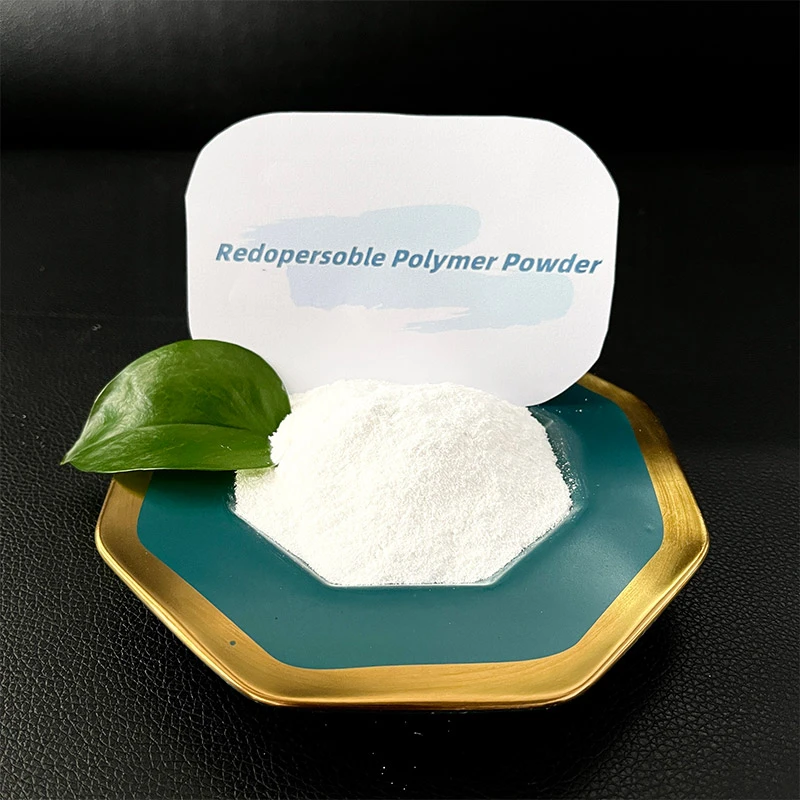
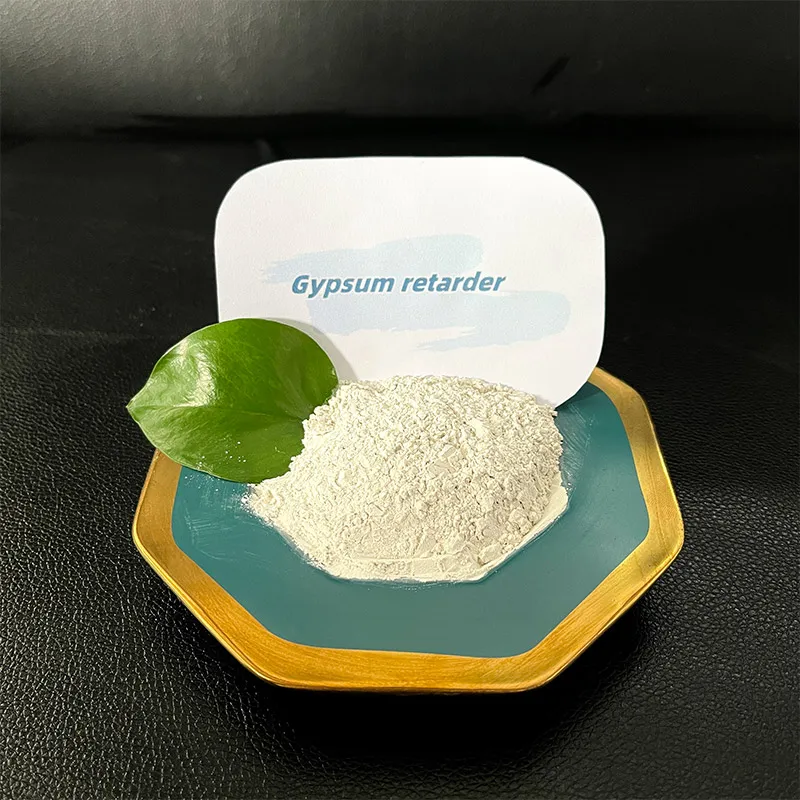
In the world of construction and remodeling, the use of plaster retarder is a nuanced topic that demands a deep understanding of its properties and applications. As a crucial additive in plastering projects, plaster retarders offer significant benefits, optimizing the pace and texture of projects for skilled artisans and large-scale construction firms alike. A plaster retarder is a specially-formulated compound added to gypsum plaster to slow down the setting process. This delay allows for greater flexibility in application, offering artisans more time to perfect the surface finish without the rush imposed by rapid-setting plasters. This controlled setting time is especially beneficial for intricate work and when working in warmer climates where the natural tendency of plaster would be to set prematurely. Through experience, the advantages of using plaster retarders become evident. Take the renovation of historic buildings , for instance. In such projects, preservationists often rely on plaster retarders to meticulously restore intricate moldings and architectural details. The ability to manipulate setting times ensures that every detail is captured accurately, maintaining the integrity and historical value of heritage sites. Artisans with extensive experience in restoration often advocate for the use of plaster retarders as they allow for the delicate precision required in such esteemed tasks. From an expert perspective, the use of plaster retarders must be approached with a keen understanding of the product's composition and its interaction with other materials. Plaster retarders primarily contain compounds such as citric acid or tartaric acid, which chemically interact with plaster to slow the hydration process. The ratios and mixtures can vary depending on the environmental conditions and the specific requirements of the project. Expertise in selecting the appropriate retarder and the correct application technique can make a substantial difference in the outcome of a plastering project. This proficiency ensures that the final product is not only aesthetically pleasing but also structurally sound. plaster retarder Authoritativeness in the use of plaster retarders can be gauged by referring to leading construction standards and guidelines. Various technical manuals and standards from the likes of ASTM International provide exhaustive guidelines on the proportioning and application of plaster retarders. Compliance with these established standards underscores a commitment to quality and precision in construction practices. Furthermore, choosing retarders manufactured by reputable companies with a history of quality and consistency adds an additional layer of reliability to the project outcomes. Trustworthiness, the final pillar, is paramount when selecting plaster retarders. Users must ensure that the products are sourced from verified suppliers offering detailed product information and certifications. An open dialogue with the manufacturer, discussing any site-specific concerns and receiving tailored advice, can further build trust. Testimonials and reviews from other construction professionals who have successfully used the product can offer invaluable insights and peace of mind. Ultimately, the judicious use of plaster retarders is not just about delaying the setting time of plaster. It's about enhancing the craftsmanship, ensuring quality, and achieving finishes that stand the test of time. Whether breathing life into a historic building or completing a new commercial structure, plaster retarders offer a level of control and precision that are indispensable to quality construction. For anyone seeking to enhance their plastering projects, gaining expertise in using plaster retarders represents a significant step towards professional mastery and excellence in the field of construction.
advantages
-

200000 Viscosities
Excellent product
We can produce pure products up to 200,000 viscosities
-

40000 tons
High yield
We don’t stop production all year round, and the annual output can reach 40,000 tons
-

24 hours
Quality service
We provide 24-hours online reception service, welcome to consult at any time
———— Inquiry Form
Schedule A services
-
 steel_fibers_used_in_concrete
Oct . 25, 2025
Hebei ShengShi HongBang Cellulose Technology Co., Ltd., located in the Xinji Provincial Clean Chemic -
 hpmc_ophthalmic_solution_usp_lacrigel
Oct . 25, 2025
As industries evolve, innovative materials like chlorinated rubber powder are revolutionizing manufa -
 hpmc_e15_viscosity
Oct . 25, 2025
The Versatility and Applications of Polyvinyl Chloride Powder Polyvinyl chloride (PVC) is one of the


